I met Vincent at university in the late 1990s; we were studying at the same engineering school. He was the first student to go on an exchange program to Harbin Forestry University, and I followed him a few months later. That is how we became friends. Once our studies were over, he stayed in China, and so did I. After a few years, he moved to Shenzhen, while I settled in Xiamen.
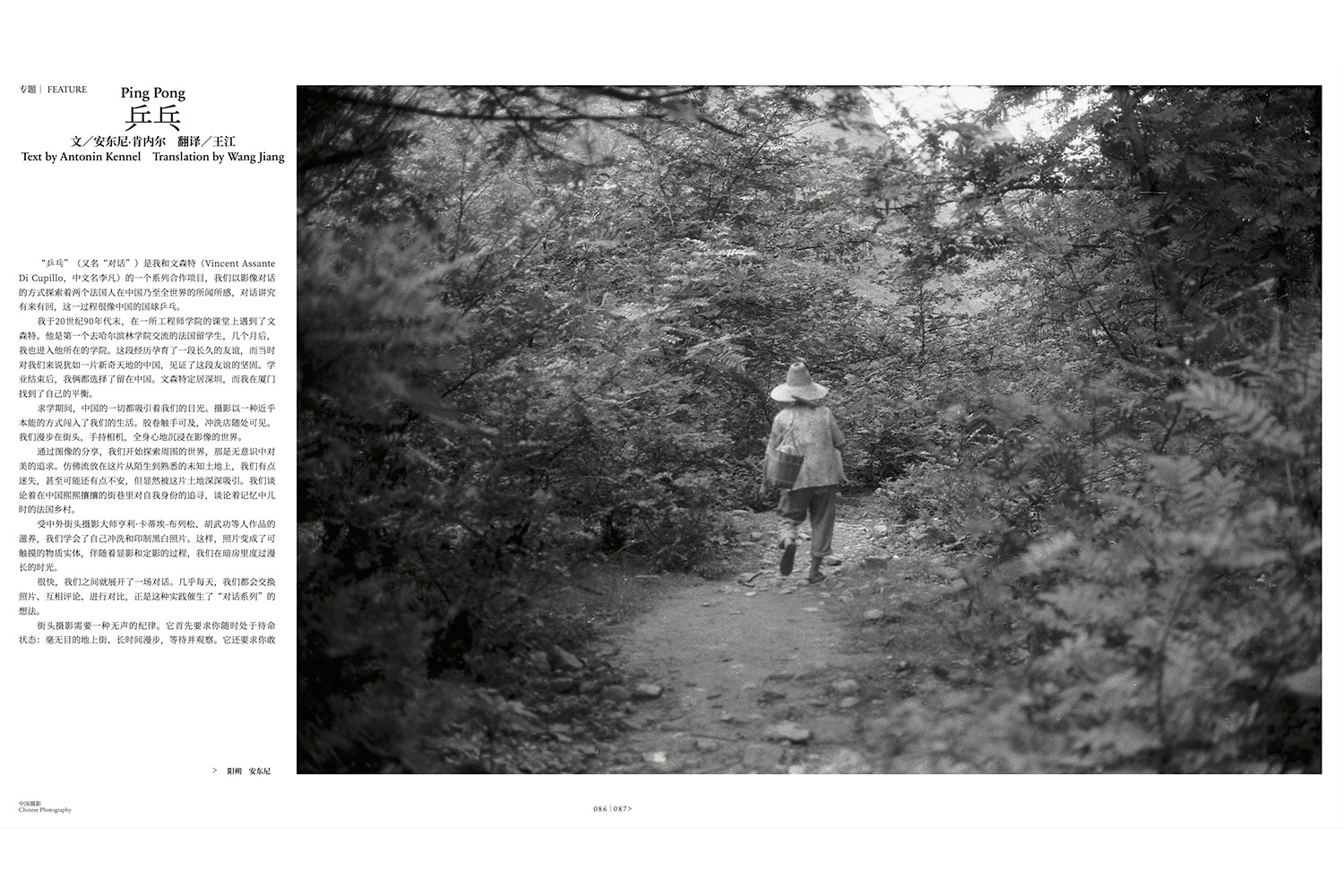
At that time in China, everything was a source of wonder for us, and we naturally took a lot of photos—a passion that quickly caught up with both of us. Film and prints were cheap, and there were still photo labs on every street corner… As admirers of the great masters of street photography, such as Cartier-Bresson or Hu Wugong, we learned to develop and print black and white ourselves.
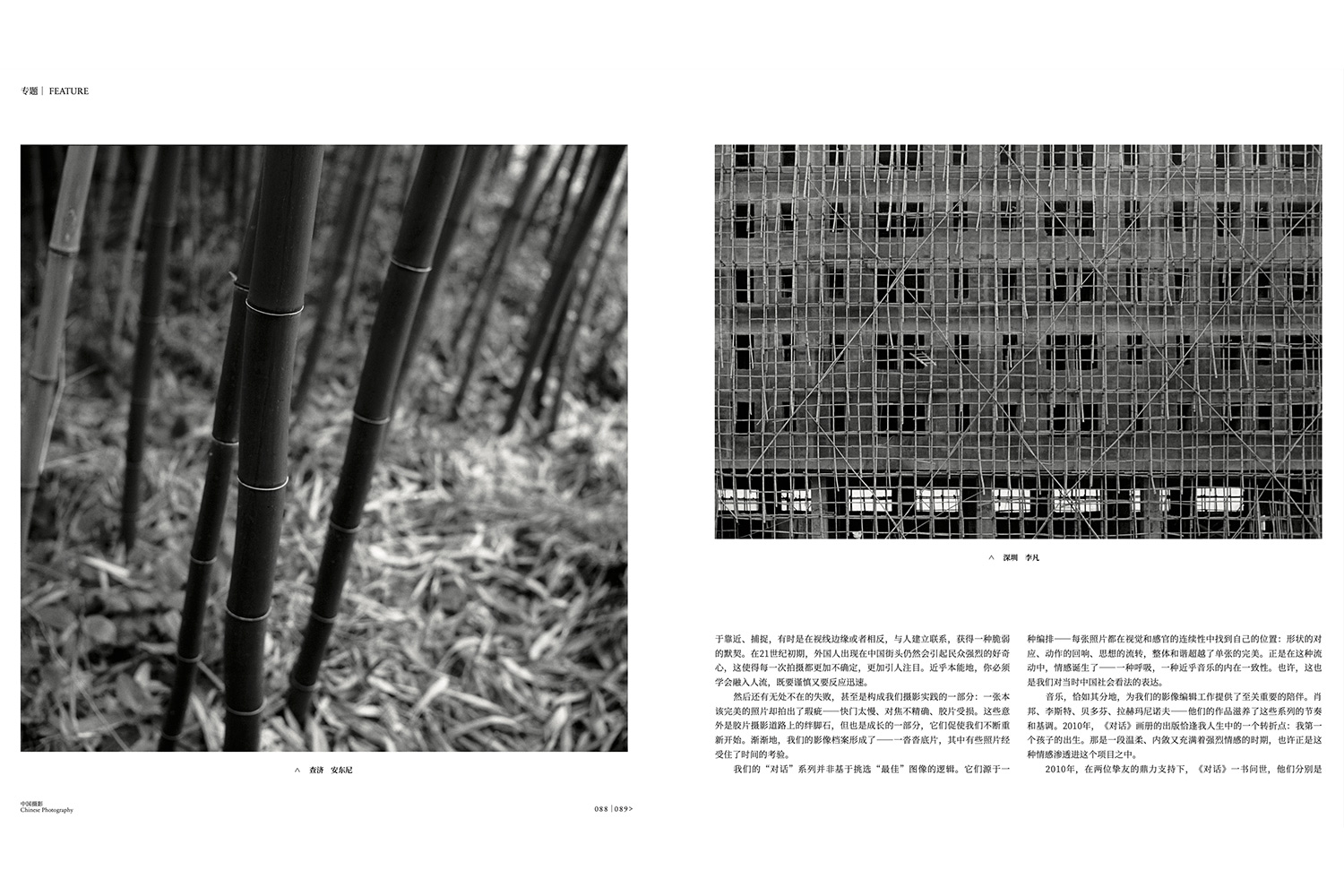
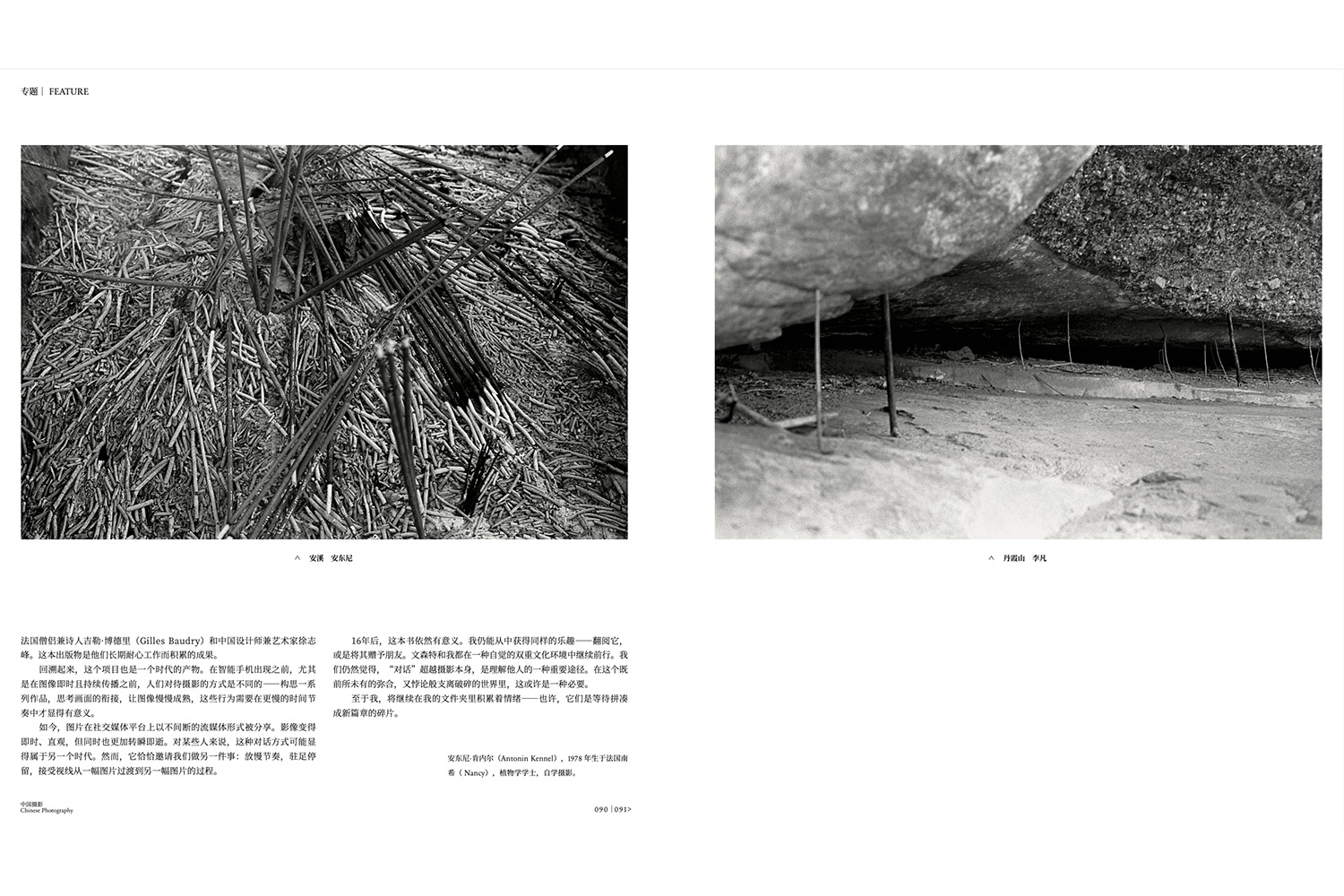
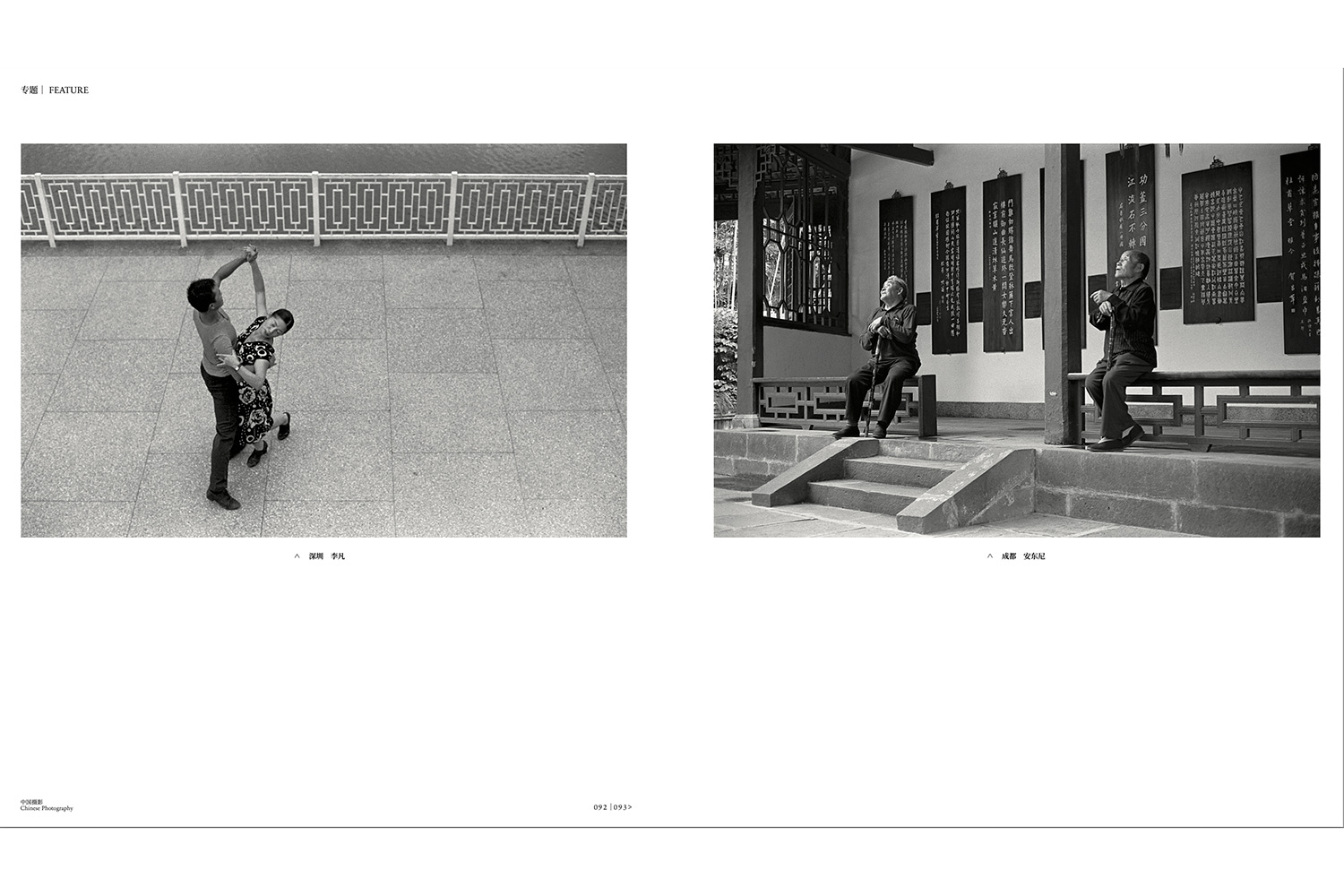
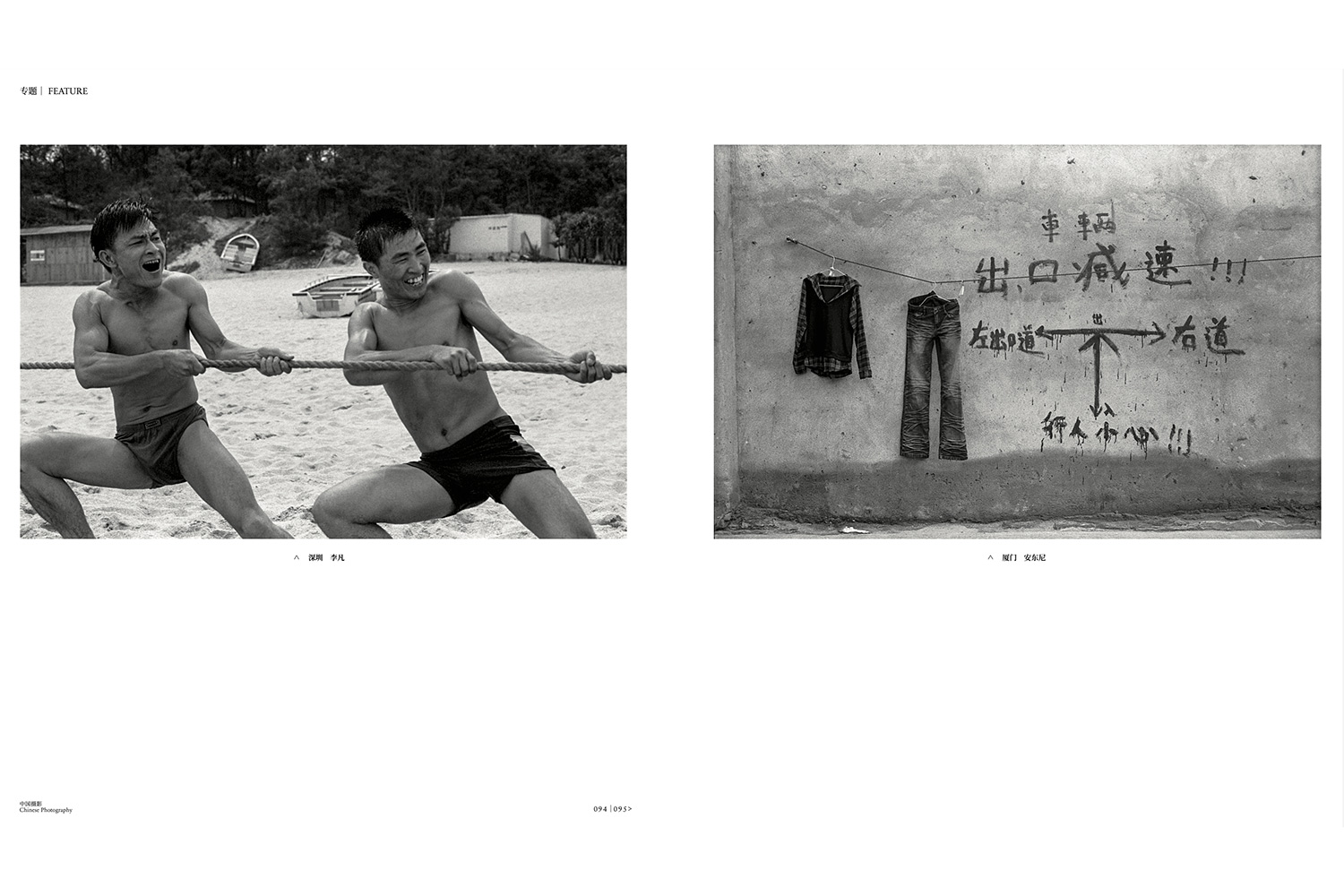
Once the day was over, we often chatted via messaging apps about our images. That is how, little by little, we came up with the idea of creating the Dialogue series.
Street photography is an exercise that is both delightful and highly demanding. First—and this is undoubtedly the hardest part—you have to leave your house without a specific purpose, walk through the city, find places that draw you in, wait, dare, sometimes snap an image on the fly, or know how to strike up a conversation to build trust. In the early 2000s, being a foreigner in China was certainly not unheard of, but in many places, it still attracted a lot of attention, making shooting trickier. You had to walk on and on, blend in, be patient, alert, and quick all at once, a bit like an animal on the lookout.
You also had to accept failure: how many disappointments for one successful image! Subjects stepping out of the frame because you weren’t fast enough, unusable images due to a wrong setting, a ruined roll of film because the camera was opened accidentally or a mistake slipped into the development process… You couldn’t get discouraged; you had to go back out the next day and start over, again and again. In this way, we accumulated binders full of negatives and, gradually, good images.
The Dialogue series are not a catalog of our best shots. Instead, the idea was to assemble images that respond to and flow into one another naturally: you move from one to the next through a visual echo or an association of ideas. Even if an image isn’t perfect, it finds its place within a coherent whole that offers the viewer an emotion, a quiet satisfaction—perhaps like a metaphor for a society we then imagined to be less individualistic.
Personally, music played an important role in developing the series. I listened to a lot of it while working, mostly Romantic music: Chopin, Liszt, Beethoven, Rachmaninov… The culmination of the Dialogue project, with the publication of the eponymous book, coincided, moreover, with the birth of my first child: a period filled with gentleness and emotion.
In 2010, we published the book Dialogue with the help of two friends: Gilles Baudry, a French monk, and Xu Zhifeng, a Chinese designer and artist. This publication felt like a natural conclusion to those years of photographic experimentation.
I believe we invested ourselves deeply in these series and in this book. We put something of ourselves, of our feelings into it, taking the time to work on each image and their sequencing. Back then, smartphones didn’t exist yet: building photographic series in this manner made sense.
Today, everyone shares images continuously on WeChat feeds: a faster, more instinctive dialogue, but also a more fleeting—and arguably more superficial—one. Dialogue may seem outdated to the younger generation, but it invites you to slow down, to let yourself be carried away through the pages.
Fifteen years later, our book is still here, and I still take pleasure in flipping through it or gifting it to friends. Both Vincent and I chose a bicultural life, and we still find that dialogue, while a source of mutual wonder and discovery, is also an essential vehicle for understanding between peoples and cultures—in a world that has changed, and needs it more than ever.
As for me, I continue to accumulate negatives in my binders.